Call: 08071932048
 Send Inquiry
 Send Inquiry
ball bearing
Price 100.0 INR/ Piece
MOQ : 100 Pieces
ball bearing Specification
- Usage
- Inner and Outer Races (Rings): Provide the grooved paths for the balls to roll on.Balls: Spheres that rotate between the races to reduce friction.Cage (Retainer): Separates the balls to keep them equidistant, preventing contact and reducing heat.Seals/Shields: Keep contaminants out and lubricant inside.Primary Types and ApplicationsDeep Groove Ball Bearing: The most common type, designed for high-speed, low-friction applications like electric motors and machinery.Angular Contact Ball Bearing: Handles combined radial and axial loads, often used in machine tools and car engines.Thrust Ball Bearing: Designed specifically for heavy axial loads in one direction, common in automotive clutches.Self-Aligning Ball Bearing: Used when shaft alignment is difficult, such as in conveyor systems.Advantages and MaterialsReduced Friction: Enables smooth, efficient rotation in machinery.Versatility: Suitable for high-speed, light-to-moderate loads.Materials: Typically made of high-carbon chrome steel for durability, though ceramic (silicon nitride) is used for high-speed/low-friction needs.
- Material
- SS
- Ball Bearing Type
- Deep Groove
- Bushes Type
- Flanged
- Color
- Sliver
- Number Of Rows
- Single Row
- Warranty
- 1 Year
About ball bearing
- Inner and Outer Races (Rings): Provide the grooved paths for the balls to roll on.
- Balls: Spheres that rotate between the races to reduce friction.
- Cage (Retainer): Separates the balls to keep them equidistant, preventing contact and reducing heat.
- Seals/Shields: Keep contaminants out and lubricant inside. [1, 2, 3]
Primary Types and Applications
- Deep Groove Ball Bearing: The most common type, designed for high-speed, low-friction applications like electric motors and machinery.
- Angular Contact Ball Bearing: Handles combined radial and axial loads, often used in machine tools and car engines.
- Thrust Ball Bearing: Designed specifically for heavy axial loads in one direction, common in automotive clutches.
- Self-Aligning Ball Bearing: Used when shaft alignment is difficult, such as in conveyor systems.
Advantages and Materials
- Reduced Friction: Enables smooth, efficient rotation in machinery.
- Versatility: Suitable for high-speed, light-to-moderate loads.
- Materials: Typically made of high-carbon chrome steel for durability, though ceramic (silicon nitride) is used for high-speed/low-friction needs.
Precision Engineering for Reliable Performance
Ball bearings are meticulously engineered to minimize rotational friction and support radial and axial loads, ensuring machinery operates with maximum efficiency. The design incorporates grooved races, precision balls, retainers, and robust seals or shields to withstand demanding industrial environments. Manufacturers use high-carbon chrome steel or ceramic materials for durability, catering to a range of applications from electric motors to conveyor systems.
Versatile Applications Across Industries
Our range of ball bearings addresses the specific needs of varying sectors. Deep groove types support most general-purpose machinery, while angular contact and thrust bearings handle more complex load requirements in automotive, power tools, and industrial equipment. Self-aligning variants provide solutions where shaft misalignment may occur, making them ideal for conveyor technology and heavy equipment.
FAQ's of ball bearing:
Q: How do ball bearings contribute to reduced friction in machinery?
A: Ball bearings reduce friction by allowing rolling motion between surfaces instead of sliding. The balls rotate between the inner and outer races, facilitating smooth movement and reducing wear and energy loss in the equipment.Q: What are the main components of a ball bearing, and what are their functions?
A: A typical ball bearing consists of inner and outer races (providing grooved paths for balls), balls (spheres that roll for reduced friction), a cage or retainer (which spaces the balls evenly), and seals or shields (keeping contaminants out and lubricant in).Q: When should angular contact ball bearings be used instead of deep groove types?
A: Angular contact ball bearings are best employed when machinery is subjected to combined axial and radial loads, such as in machine tools and vehicle engines. Deep groove bearings are ideal for high-speed, moderate-load scenarios without significant axial forces.Q: Where are self-aligning ball bearings most beneficial?
A: Self-aligning ball bearings are advantageous in settings where shaft misalignment is unavoidable, for instance, in conveyor systems or equipment with potential shaft deflection, as they can compensate for misalignment and maintain smooth operation.Q: What process is involved in manufacturing high-performance ball bearings?
A: Manufacturing high-performance ball bearings involves precision machining of races and balls, careful assembly with accurate tolerances, application of appropriate cages and seals or shields, and the use of high-grade steel or ceramic materials for durability.Q: What are the benefits of using ceramic ball bearings?
A: Ceramic ball bearings, typically made from silicon nitride, offer lower friction, higher speed capability, and improved corrosion and heat resistance compared to standard steel bearings, making them ideal for specialized, high-speed, or demanding environments.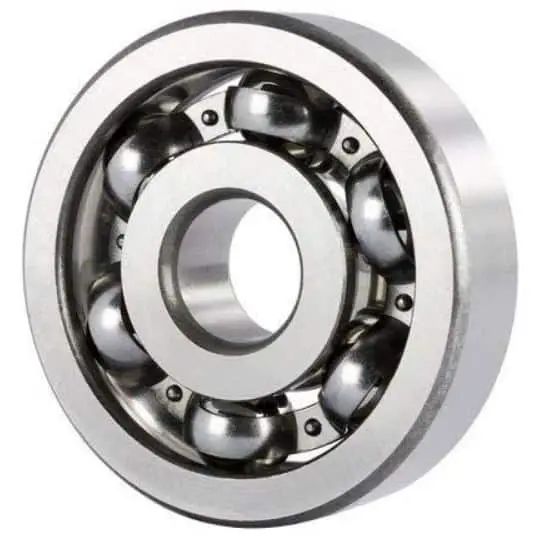
Tell us about your requirement

Price:
Quantity
Select Unit
- 50
- 100
- 200
- 250
- 500
- 1000+
Additional detail
Mobile number
Email

More Products in Ball Bearing Category
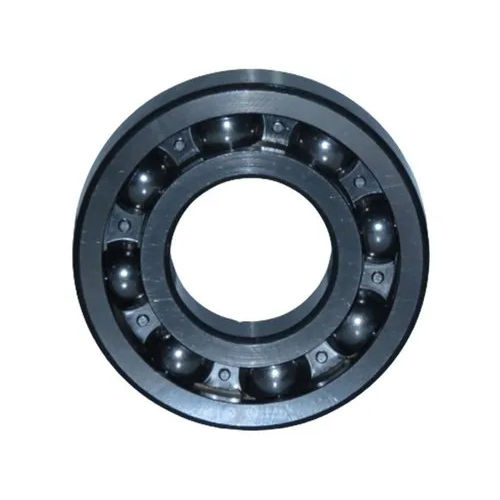
6305 Stainless Steel Ball Bearing
Price 70.0 INR / Piece
Minimum Order Quantity : 100 Pieces
Color : Metallic Black
Size : 4 Inch
Usage : Industrial & Commercial
Product Type : 6305 Stainless Steel Ball Bearing
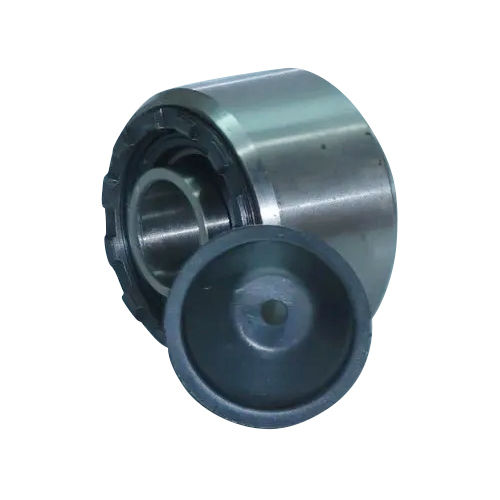
2 Inch Industrial Ball Bearing
Minimum Order Quantity : 100 Pieces
Color : Metallic Silver
Size : 2 Inch
Usage : Industrial & Commercial
Product Type : Industrial Ball Bearing
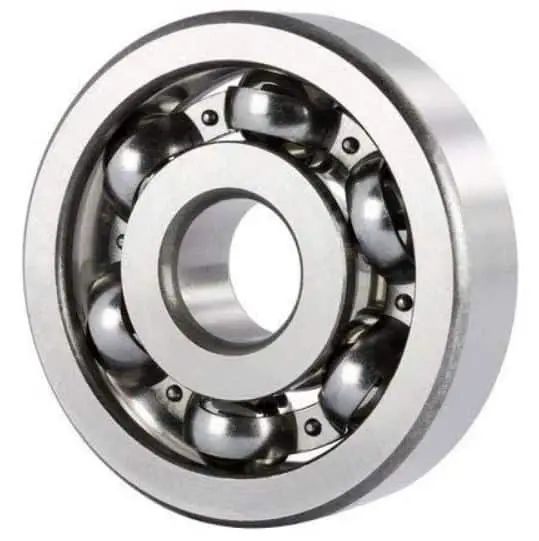
6201 Ball Bearing
Price 18.0 INR / Piece
Minimum Order Quantity : 100 Pieces
Color : Metallic Black
Size : 2 Inch
Usage : Industrial & Commercial
Product Type : Industrial Round Ball Bearing

Contact Details
V M AUTO ENTERPRISE
GST : 24ABPPB7823E1ZU
- Garediya Kuva Road, Opp. Rang Sagar, Rajkot - 360001, Gujarat, India
- Phone :08071932048
 Send Inquiry
Developed and Managed by Infocom Network Private Limited.
