Call: 08071932048
 Send Inquiry
 Send Inquiry
Clutch bearing
Price 10.0 INR/ Unit
MOQ : 100 Units
Clutch bearing Specification
- Weight
- 0.32 kg
- Thickness
- 22 mm
- Material
- High-grade Steel
- Ball Bearing Type
- Angular Contact
- Roller Bearing Type
- Cylindrical Roller
- Bushes Type
- Sintered Bronze Bush
- Structure
- Single Row
- Seals Type
- Rubber Sealed
- Number Of Rows
- 1
- Bore Size
- 30 mm
- Outside Diameter
- 60 mm
- Limiting Speed
- 7500 RPM
- Load Capacity
- 3100 N
- Inner Diameter
- 30 mm
- Mounting Type
- Press Fit
- Corrosion Resistance
- Yes
- Operating Temperature Range
- -30C to +120C
- Vibration Resistance
- High
- Lubrication
- Grease Packed
- Surface Finish
- Precision Ground
- Noise Level
- Low
- Durability
- Long Service Life
- Application
- Automotive Clutch Systems
Clutch bearing About
- Mechanism: It operates as a thrust-type angular contact ball bearing that slides on a hub, converting the linear motion of the release fork into the rotational motion of the pressure plate.
- Purpose: It allows for seamless gear changes by temporarily disconnecting the transmission from the engine's power, reducing friction and wear on the clutch system.
- Design: It is usually a pre-lubricated and sealed unit designed for long life, often featuring self-aligning capabilities to ensure proper engagement and prevent premature damage.
- Types: There are two main concepts: pushed (most common, pushes the spring) and pulled (attached to the diaphragm). [1, 2, 3, 4, 5, 6, 7]
Common Symptoms of Failure:
Precision-Engineered Construction
This clutch bearing is manufactured from high-grade steel with a precision-ground finish, ensuring optimal durability and performance. The rubber-sealed, single-row structure incorporates advanced angular contact and cylindrical roller technologies for seamless operation and minimal noise.
Reliable Performance Under Extreme Conditions
Operating efficiently across -30C to +120C, this bearing is well-suited for a range of automotive environments. Its pre-packed grease lubrication and robust corrosion resistance offer long-term reliability, even in challenging conditions.
Advantages in Automotive Applications
Designed for press-fit mounting, this clutch bearing boasts high vibration resistance and an impressive limiting speed of 7500 RPM. Its load capacity of 3100 N and sintered bronze bushes contribute to superior longevity and reduced maintenance needs in automotive clutch systems.
FAQ's of Clutch bearing:
Q: How should the clutch bearing be installed in an automotive clutch system?
A: The clutch bearing is designed for press-fit mounting, ensuring a secure and stable installation. Care should be taken to align the bearing properly during installation to maintain precision performance and longevity.Q: What type of lubrication is used in this clutch bearing?
A: This bearing is pre-packed with high-quality grease, which provides reliable lubrication throughout its service life, reducing the need for frequent maintenance.Q: When is it appropriate to replace the clutch bearing?
A: It is advisable to replace the clutch bearing if there are signs of wear, abnormal noise, increased vibration, or during major clutch system overhauls to avoid potential failures in the system.Q: Where can this clutch bearing be used?
A: Specifically designed for automotive clutch systems, this bearing can be installed in vehicles requiring robust and reliable clutch performance within the specified operating range.Q: What benefits does the single-row, angular contact and cylindrical roller structure provide?
A: This configuration delivers precise load handling, high speed capability (up to 7500 RPM), and excellent resistance to vibration, resulting in smoother and quieter clutch operation.Q: How does the clutch bearing resist corrosion and vibration?
A: Constructed from high-grade steel and finished with precision grinding, the bearing also incorporates effective rubber sealing and advanced materials to withstand harsh environments and minimize vibration-related wear.Q: What is the process to ensure proper usage and long service life of the clutch bearing?
A: To ensure optimal performance, install the bearing correctly using press-fit mounting, operate it within specified temperature and speed limits, and avoid contamination. The pre-packed grease and rubber sealing further reduce maintenance requirements.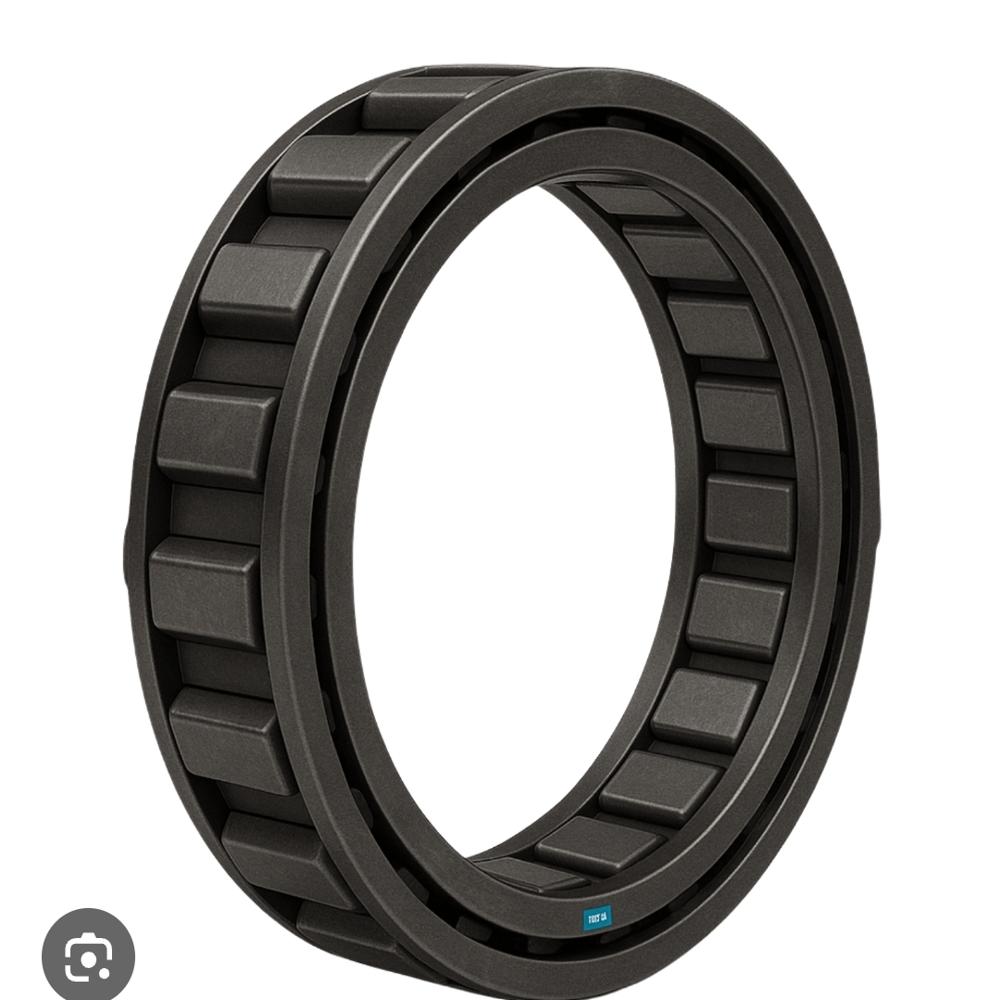
Tell us about your requirement

Price:
Quantity
Select Unit
- 50
- 100
- 200
- 250
- 500
- 1000+
Additional detail
Mobile number
Email

More Products in Clutch Bearing Category
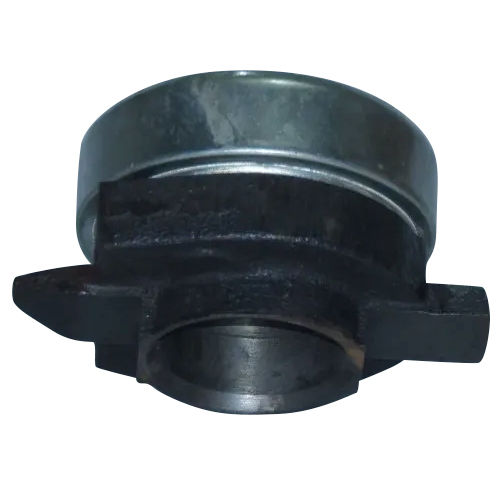
306445 Steel Clutch Hub Bearing
Price 192.0 INR / Piece
Minimum Order Quantity : 100 Pieces
Usage : Industrial & Commercial
Product Type : 306445 Steel Clutch Hub Bearing
Material : Stainless Steel
Structure : Ring
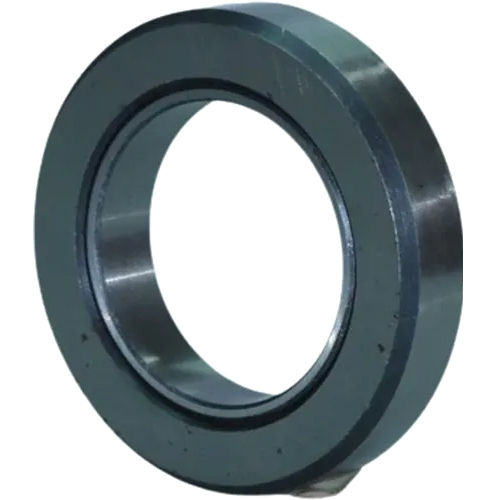
LA 27 Automobile Clutch Bearing
Price 336.0 INR / Piece
Minimum Order Quantity : 100 Pieces
Usage : Industrial & Commercial
Product Type : LA 27 Automobile Clutch Bearing
Material : Stainless Steel
Structure : Ring

CB1087 Round Automobile Clutch Bearing
Price 145.0 INR / Piece
Minimum Order Quantity : 100 Pieces
Usage : Industrial & Commercial
Product Type : CB1087 Round Automobile Clutch Bearing
Material : Stainless Steel
Structure : Ring

Contact Details
V M AUTO ENTERPRISE
GST : 24ABPPB7823E1ZU
- Garediya Kuva Road, Opp. Rang Sagar, Rajkot - 360001, Gujarat, India
- Phone :08071932048
 Send Inquiry
Developed and Managed by Infocom Network Private Limited.
