Call: 08071932048
 Send Inquiry
 Send Inquiry
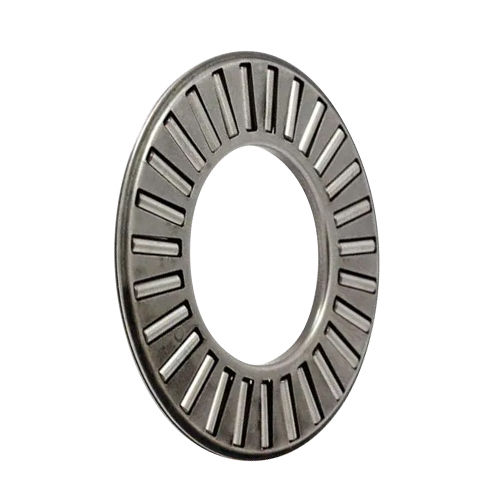
King pin bearing
Price 10.0 INR/ Piece
MOQ : 100 Pieces
King pin bearing Specification
- Thickness
- 19 mm
- Inside Diameter
- 38 mm
- Cage Material
- Steel
- Retainer
- Pressed Steel
- Precision Rating
- P6
- Lubrication Type
- Grease
- Bearing Type
- King Pin Bearing
- Material
- Alloy Steel
- Structure
- Cylindrical
- Seals Type
- Open
- Number Of Rows
- Single Row
- Bore Size
- 38 mm
- Outside Diameter
- 80 mm
- Limiting Speed
- 3500 RPM
- Load Capacity
- High Radial Load
- Dynamic Load Rating
- 55 kN
- Finish
- Polished
- Static Load Rating
- 37 kN
- Hardness
- 58-62 HRC
- Tolerance
- Standard
- Application
- Automotive Steering Systems
- Shape
- Round
About King pin bearing
- Function: Act as the pivot point for steering, allowing knuckles to rotate, supporting vertical axle loads.
- Components: Usually consist of a cage with rollers (or balls) between an upper and lower race (or thrust washers).
- Types: Available as sealed (for protection against contamination) or open/non-sealed bearings.
- Material: Made from durable, high-grade steel, designed for high load capacity and longevity.
- Placement: Installed vertically at the top and bottom of the steering knuckle/axle beam. [1, 2, 3, 4, 5, 6, 7]
Common Applications
Symptoms of Worn King Pin Bearings
King pin bearings are crucial for maintaining proper front-wheel alignment, which is critical for steering safety and overall vehicle handling. [1]
Engineered for High Performance
Our King Pin Bearings are meticulously manufactured to meet the rigorous demands of modern automotive steering systems. Their robust alloy steel construction, combined with a high hardness rating of 58-62 HRC, guarantees lasting performance under continuous loads and stress.
Optimal Design for Reliability
Designed in a round, cylindrical form with a single-row structure, these bearings deliver stability, minimize friction, and enable efficient steering response. Their polished finish and steel pressed retainer enhance resistance to wear and corrosion, ensuring minimal maintenance requirements throughout service life.
FAQ's of King pin bearing:
Q: How does the King Pin Bearing improve automotive steering systems?
A: The King Pin Bearing enhances precision and stability in automotive steering by supporting high radial loads, thanks to its cylindrical structure and single-row design. Its robust construction ensures smooth, responsive steering and extended component longevity.Q: What are the benefits of the open seal and grease lubrication in this bearing?
A: The open seal design paired with grease lubrication allows for efficient dissipation of heat and easy maintenance. This combination ensures optimal function and minimizes the risk of contamination, thus prolonging bearing life.Q: When should a King Pin Bearing be replaced in a vehicle?
A: Replace the King Pin Bearing if you notice increased steering play, uneven tire wear, or unusual noises from the steering assembly. Routine inspections during vehicle maintenance also help identify wear or damage and prevent steering issues.Q: Where is the King Pin Bearing typically installed?
A: This bearing is specifically installed in the steering knuckle assembly of automotive vehicles, where it supports the king pin, allowing the front wheels to pivot smoothly on the axle.Q: What is the process for installing a King Pin Bearing?
A: Installation involves removing the wheel assembly, extracting the old bearing, and carefully pressing in the new King Pin Bearing using appropriate tools to avoid damaging the polished surfaces. It's recommended to lubricate the bearing with grease during installation.Q: Why is alloy steel used for King Pin Bearings?
A: Alloy steel is chosen for its excellent strength, hardness, and resistance to fatigue. These properties make it ideal for withstanding the substantial forces and loads encountered in automotive steering applications.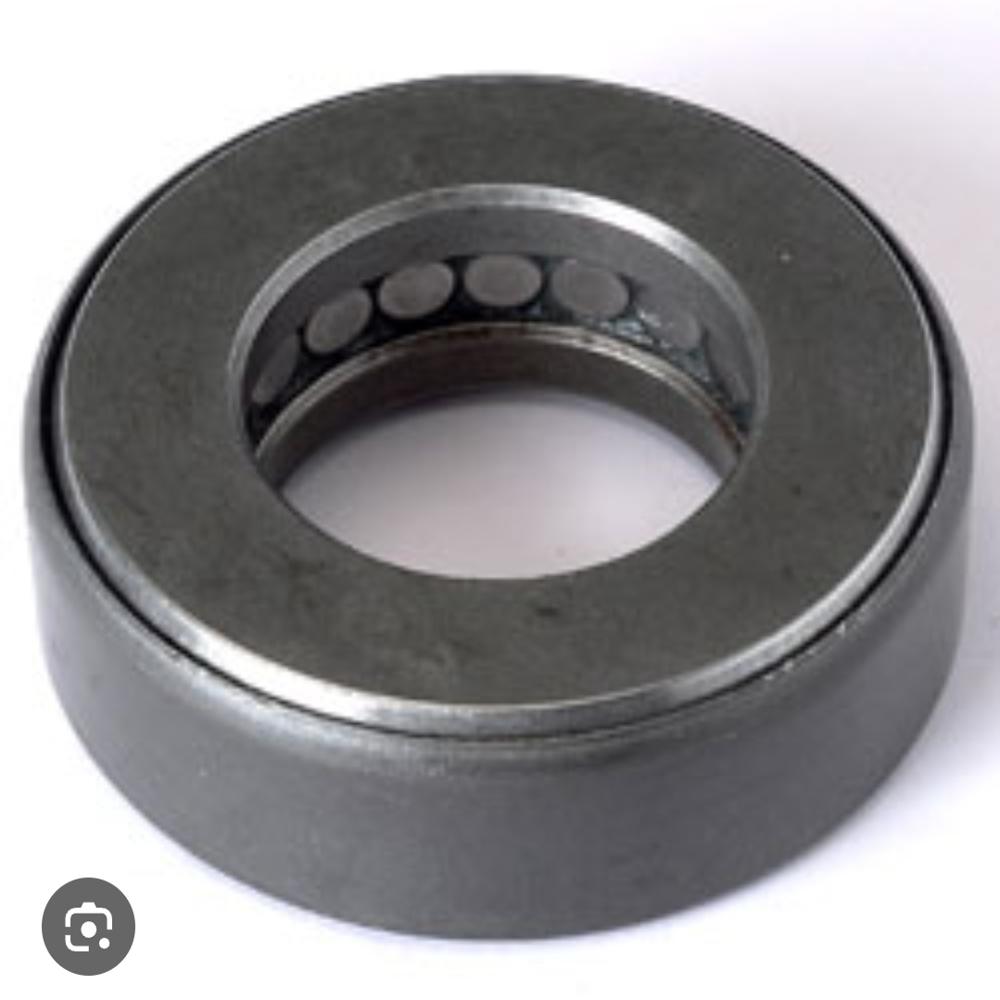
Tell us about your requirement

Price:
Quantity
Select Unit
- 50
- 100
- 200
- 250
- 500
- 1000+
Additional detail
Mobile number
Email

More Products in Thrust Bearing Category
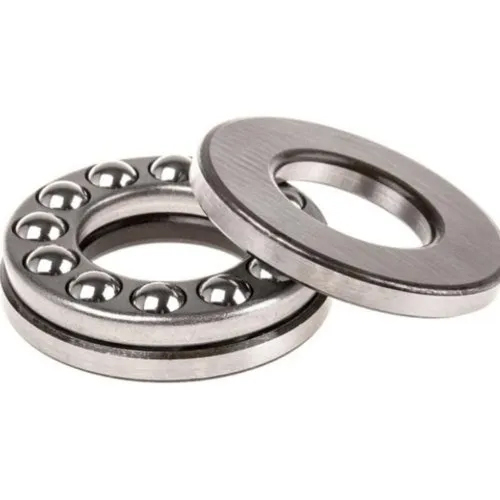
Thrust bearing
Price 10.0 INR / Unit
Minimum Order Quantity : 100 Units
Structure : Single direction
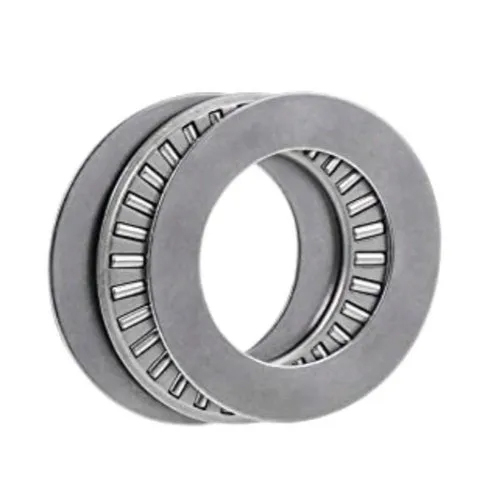
07 Stainless Steel Thrust Bearing
Price 37.0 INR / Piece
Minimum Order Quantity : 100 Pieces
Structure : Ring
Usage : Industrial & Commercial
Product Type : Thrust Needle Roller Bearing
Color : Silver
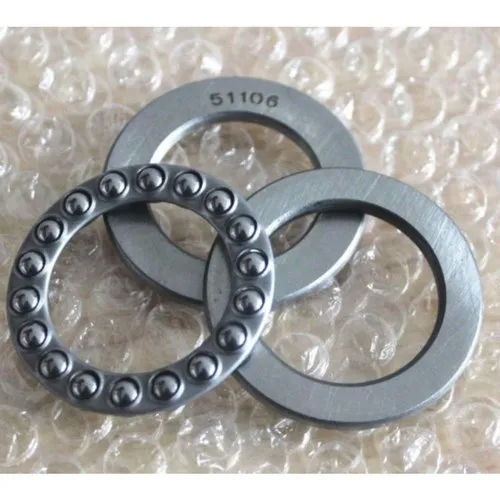
0-12 Stainless Steel Thrust Ball Bearing
Price 65.0 INR / Piece
Minimum Order Quantity : 100 Pieces
Structure : Ring
Usage : Industrial & Commercial
Product Type : Thrust Ball Bearing
Color : Silver
Cast Iron Needle Thrust Bearing
Minimum Order Quantity : 100 Pieces
Structure : Ring
Usage : Industrial & Commercial
Product Type : Needle Thrust Bearing
Color : Silver

Contact Details
V M AUTO ENTERPRISE
GST : 24ABPPB7823E1ZU
- Garediya Kuva Road, Opp. Rang Sagar, Rajkot - 360001, Gujarat, India
- Phone :08071932048
 Send Inquiry
Developed and Managed by Infocom Network Private Limited.
