Call: 08071932048
 Send Inquiry
 Send Inquiry
Needle bearing
Price 600.0 INR/ Piece
MOQ : 100 Pieces
Needle bearing Specification
- Thickness
- 10 mm
- Weight
- 22 g
- Material
- Chrome Steel
- Ball Bearing Type
- Needle Bearing
- Roller Bearing Type
- Cylindrical
- Bushes Type
- Plain
- Structure
- Single Row
- Seals Type
- Open
- Number Of Rows
- 1
- Bore Size
- 10 mm
- Outside Diameter
- 16 mm
- Limiting Speed
- 18000 rpm
- Load Capacity
- 2500 N
- Inner Diameter
- 10 mm
- Static Load Rating (Cor)
- 2100 N
- Application
- Automotive, industrial machinery, textile machinery, and gearboxes
- Operating Temperature Range
- -20C to 120C
- Mounting Type
- Press Fit
- Precision Grade
- P0 (Normal)
- Hardness
- HRC 60-65
- Dimension Standard
- ISO 3245
- Cage Material
- Steel
- Lubrication
- Grease or Oil
- Dynamic Load Rating (Cr)
- 2900 N
Needle bearing About
A needle roller bearing is a special type of roller bearing which uses long, thin cylindrical rollers resembling needles. Ordinary roller bearings' rollers are only slightly longer than their diameter, but needle bearings typically have rollers that are at least four times longer than their diameter.[1] Like all bearings, they are used to reduce the friction of a rotating surface.
Compared to ball bearings and ordinary roller bearings, needle bearings have a greater surface area in contact with the races, so they can support a greater load. They are also thinner, so they require less clearance between the axle and the surrounding structure.
Needle bearings are heavily used in automobile components such as rocker arm pivots, pumps, compressors, and transmissions. The drive shaft of a rear-wheel drive vehicle typically has at least eight needle bearings (four in each U joint) and often more if it is particularly long, or operates on steep slopes.[2]
Precision and Reliability in Every Application
Designed for versatility, this single-row needle bearing serves a wide range of industries, from automotive to textile machinery. Delivering a balance of dynamic capability (2900 N) and high-speed operation (up to 18,000 rpm), it delivers enduring performance even in demanding environments. The chrome steel build and steel cage ensure extended wear resistance and dimensional stability, making it a trusted choice for consistent, long-term use.
Adaptability That Meets ISO Standards
Conforming to ISO 3245 dimension standards, this needle bearing is easy to integrate into new and existing designs. Its press-fit mounting type simplifies assembly, and the open-seal structure is optimal for both grease and oil lubricants, providing operational flexibility. The bearing's -20C to 120C temperature range supports reliability across varying operational conditions.
FAQ's of Needle bearing:
Q: How should the needle bearing be lubricated for optimal performance?
A: This needle bearing can be lubricated with either grease or oil, depending on application requirements and operating conditions. Regular lubrication ensures reduced friction, extended lifespan, and maximized performance, especially when running at higher speeds up to 18,000 rpm.Q: What are the primary applications for this needle bearing?
A: The bearing is designed for use in automotive systems, industrial and textile machinery, as well as gearboxes. Its robust chrome steel construction and precise tolerances meet the demands of high-load and high-speed environments within these industries.Q: When is it appropriate to use this bearing's press-fit mounting type?
A: Press-fit mounting is best used when precise alignment and secure fit are vital, typically in settings where vibration resistance and consistent rotation are required. This mounting method ensures the bearing remains firmly in place during operation.Q: Where does the bearing conform in terms of international standards?
A: This needle bearing meets the ISO 3245 dimension standard, providing compatibility with globally recognized machinery and facilitating straightforward integration into internationally sourced components.Q: What is the benefit of the steel cage employed in this bearing?
A: A steel cage offers excellent strength and heat resistance, allowing for reliable performance at elevated speeds and temperatures. It also ensures the needle rollers are evenly spaced, reducing internal friction and enhancing operational life.Q: How can users ensure a long lifespan of the needle bearing?
A: To achieve maximum lifespan, install the bearing correctly using the recommended press-fit method, maintain regular lubrication with compatible oils or greases, and avoid exposure to loads or speeds that exceed specified ratings (2500 N, 18,000 rpm).Q: What is the process for integrating this bearing into machinery?
A: Begin by verifying compatibility with bore (10 mm), outside diameter (16 mm), and thickness (10 mm). Clean the housing, lubricate the bearing, then use appropriate tools to press-fit the bearing into place, ensuring no misalignment or contamination during installation.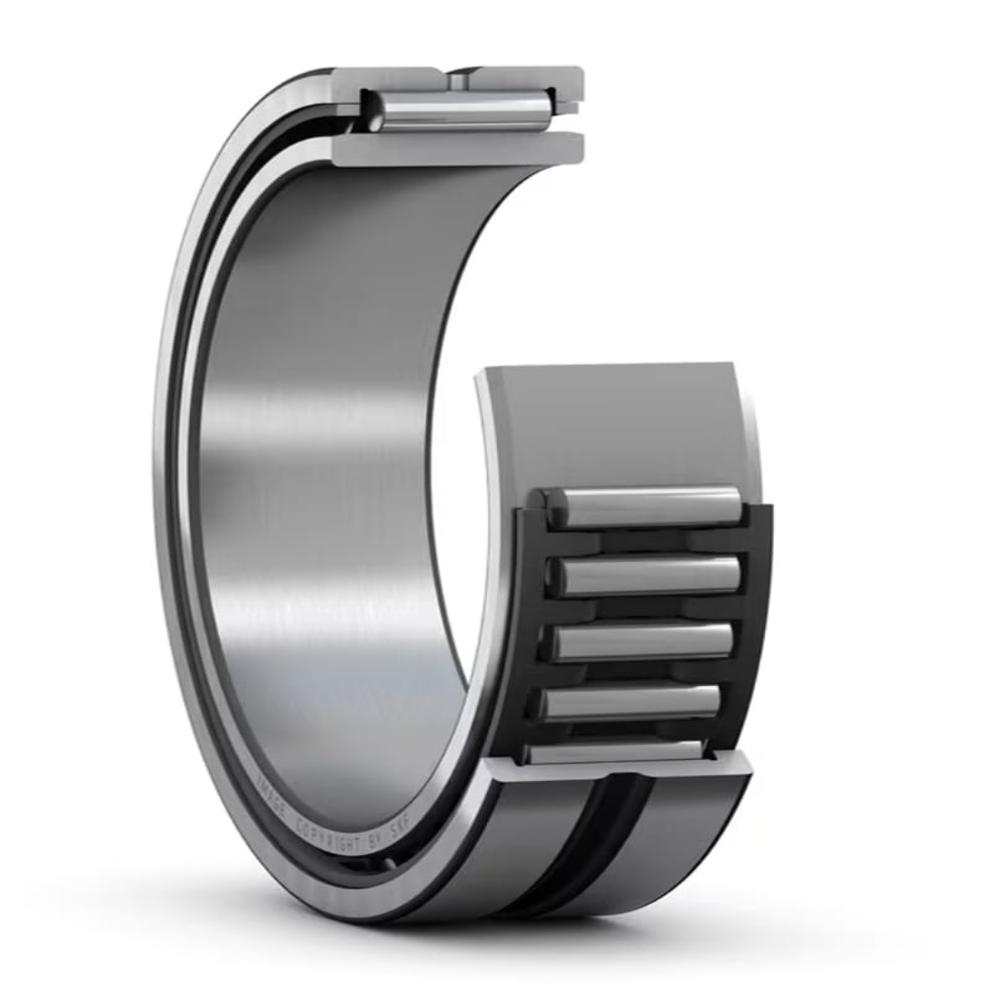
Tell us about your requirement

Price:
Quantity
Select Unit
- 50
- 100
- 200
- 250
- 500
- 1000+
Additional detail
Mobile number
Email

More Products in Needle Bearing Category
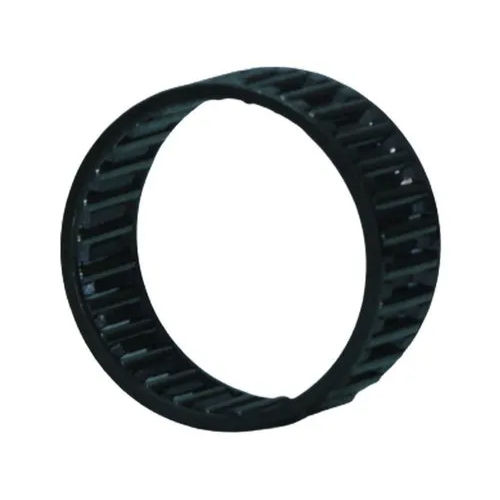
80005 Needle Cage Bearing
Price 69.0 INR / Piece
Minimum Order Quantity : 100 Pieces
Product Type : 80005 Needle Cage Bearing
Structure : Ring
Usage : Industrial & Commercial
Color : Black

NA4911 NA Type Needle Roller Bearing
Price 226.0 INR / Piece
Minimum Order Quantity : 100 Pieces
Product Type : NA4911 NA Type Needle Roller Bearing
Structure : Ring
Usage : Industrial & Commercial
Color : Silver
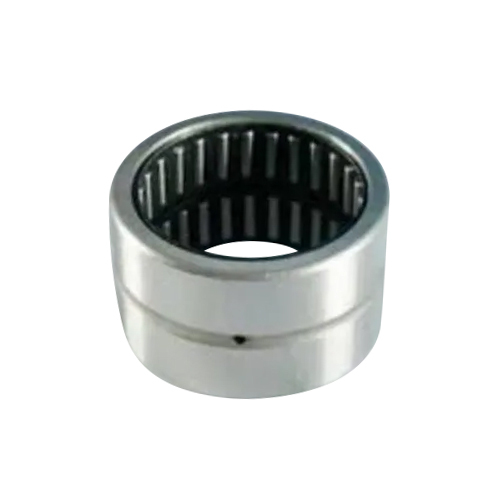
80006 Double Raw Needle Bearing
Price 76.0 INR / Piece
Minimum Order Quantity : 100 Pieces
Product Type : NA4911 NA Type Needle Roller Bearing
Structure : Ring
Usage : Industrial & Commercial
Color : Silver

Contact Details
V M AUTO ENTERPRISE
GST : 24ABPPB7823E1ZU
- Garediya Kuva Road, Opp. Rang Sagar, Rajkot - 360001, Gujarat, India
- Phone :08071932048
 Send Inquiry
Developed and Managed by Infocom Network Private Limited.
