Call: 08071932048
 Send Inquiry
 Send Inquiry
tapered bearing
Price 500.0 INR/ Piece
MOQ : 100 Pieces
tapered bearing Specification
- Weight
- 0.5 kg
- Thickness
- 15 mm
- Material
- High-grade Chrome Steel
- Roller Bearing Type
- Tapered Roller Bearing
- Structure
- Single Row
- Seals Type
- Open/Unsealed
- Number Of Rows
- 1
- Bore Size
- Up to 100 mm (customizable)
- Outside Diameter
- 52 mm
- Limiting Speed
- 2000 - 4500 RPM
- Load Capacity
- High (specific values on request)
- Inner Diameter
- 25 mm
- Temperature Range
- -30C to +120C
- Surface Finish
- Ground and Polished
- Precision Rating
- P0, P6, P5 (as per customer need)
- Dimension Standard
- ISO/GB
- Lubrication
- Grease or Oil
- Hardness
- HRC 58-64
- Static Load Rating
- Available on Request
- Cage Material
- Steel
- Application
- Automotive, Industrial Machinery, Gearboxes, Axles
- Dynamic Load Rating
- Available on Request
tapered bearing About
- Load Handling: They accommodate heavy radial and axial loads in one direction.
- Separable Design: The cone assembly (inner ring, rollers, cage) and cup (outer ring) can be mounted independently.
- Matched Sets: Often used in pairs (face-to-face or back-to-back) to handle axial loads in both directions.
- Components: Conical rollers are guided by a rib on the inner ring. [1, 2, 3, 4, 5, 6]
Common Applications
Types of Tapered Bearings
These bearings are available in both metric and imperial (inch) sizes, often categorized by their contact angle (normal, medium, or steep)
Precision Engineering for Demanding Environments
Our tapered roller bearings are built to provide superior load capacity, longevity, and reliability in both automotive and industrial machinery settings. With single-row construction and high-grade chrome steel materials, each unit is meticulously ground and polished for smooth operation and reduced friction. Adaptable to a wide range of uses, their customizable dimensions ensure compatibility with various shafts and housings while maintaining high performance standards.
Customizable Solutions and Robust Construction
We supply tapered roller bearings that are tailored to your specific needs, offering a choice of precision ratings (P0, P6, or P5) and bore sizes up to 100 mm. Open, unsealed designs allow flexible lubrication options (grease or oil), and the steel cage ensures strength. High dynamic and static load ratings are available upon request, making our bearings suitable for high-stress environments.
FAQ's of tapered bearing:
Q: How should the tapered roller bearings be lubricated for optimal performance?
A: Tapered roller bearings can be lubricated with either grease or oil, depending on your application requirements. Adequate lubrication maintains performance, reduces friction, minimizes wear, and supports the bearing's high-speed operation within the temperature range of -30C to +120C.Q: What makes these bearings suitable for both automotive and industrial machinery applications?
A: These bearings are crafted from high-grade chrome steel with a robust steel cage and precision-ground surfaces, offering exceptional load handling and durability. Their design aligns with ISO/GB standards, making them reliable for gearboxes, axles, and heavy-duty machinery in various industrial sectors.Q: When should a specific precision rating (P0, P6, or P5) be selected?
A: Precision ratings are chosen based on application requirements. P0 is suitable for general purposes, while P6 and P5 offer higher accuracy for demanding scenarios involving higher rotational speeds or where precise alignment is critical. Determining the right rating depends on load, speed, and performance expectations.Q: Where can these tapered roller bearings be used effectively?
A: These bearings are versatile and function efficiently in gearboxes, automotive axles, industrial machinery, and any setting where high load capacity, customizable sizing, and reliable speed ratings are needed. Their adaptability makes them suitable for a wide scope of mechanical systems.Q: What is the recommended process for selecting the correct bearing size and specification?
A: To select the appropriate bearing, identify your shaft diameter, load requirements, precision needs, and operational speeds. Consult the dynamic and static load ratings (available upon request) to ensure the bearing matches your application's performance demands.Q: How does the single-row structure benefit the usage of these bearings?
A: The single-row tapered design provides efficient handling of both radial and axial loads while keeping installation simple. This structure facilitates smooth operation in high-speed applications and promotes easier maintenance compared to multi-row alternatives.Q: What are the primary benefits of choosing a ground and polished surface finish?
A: A ground and polished finish enhances bearing precision, reduces friction, and extends lifespan by minimizing surface roughness. This leads to quieter, smoother operation and a greater ability to withstand continuous use in demanding environments.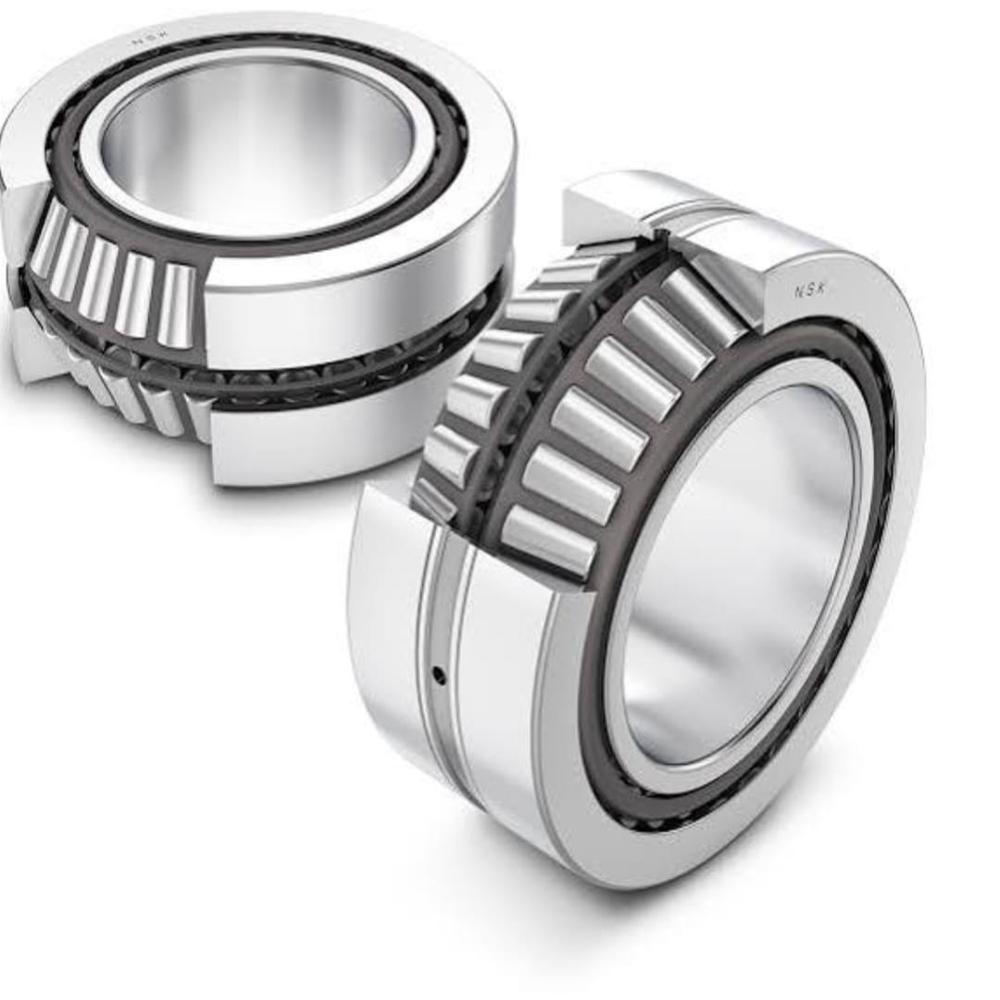
Tell us about your requirement

Price:
Quantity
Select Unit
- 50
- 100
- 200
- 250
- 500
- 1000+
Additional detail
Mobile number
Email

More Products in Taper Roller Bearing Category
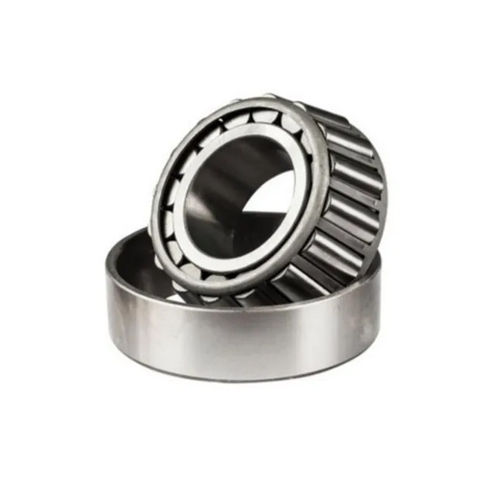
31310 Stainless Steel Taper Roller Bearing
Price 358.0 INR / Piece
Minimum Order Quantity : 100 Pieces
Color : Silver
Usage : Industrial & Commercial
Material : Stainless Steel
Structure : Ring
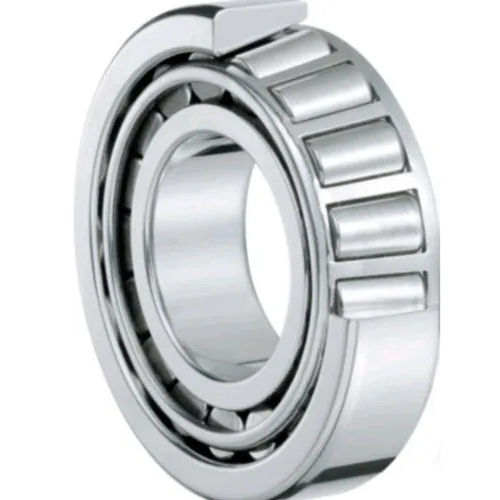
32310 Industrial Stainless Steel Taper Roller Bearing
Price 420.0 INR / Piece
Minimum Order Quantity : 100 Pieces
Color : Silver
Usage : Industrial & Commercial
Material : Stainless Steel
Structure : Ring
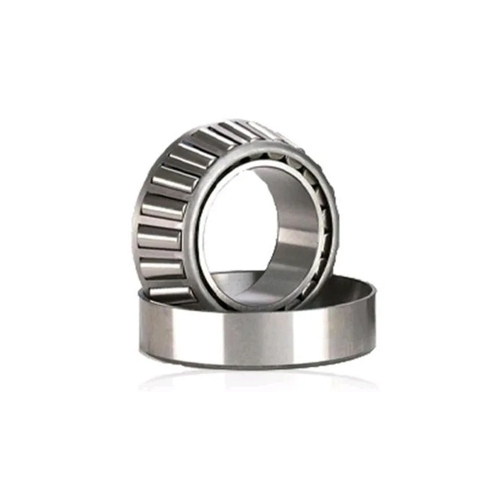
104949/10 Stainless Steel Taper Roller Ball Bearing
Price 185.0 INR / Piece
Minimum Order Quantity : 100 Pieces
Color : Silver
Usage : Industrial & Commercial
Material : Stainless Steel
Structure : Ring
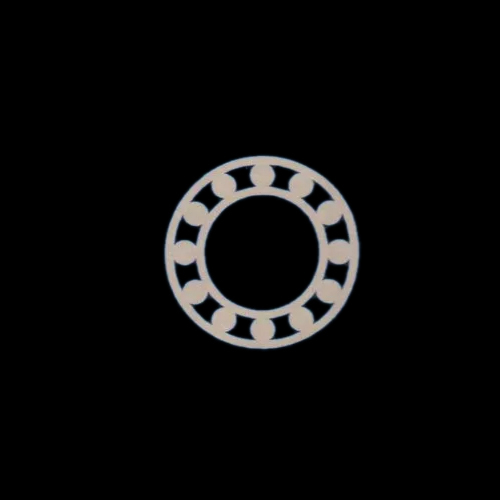
SIFCO Taper Roller Bearing 30210 ECO
Price 149.0 INR / Piece
Minimum Order Quantity : 100 Pieces
Color : Silver
Usage : Industrial & Commercial
Material : Stainless Steel
Structure : Ring

Contact Details
V M AUTO ENTERPRISE
GST : 24ABPPB7823E1ZU
- Garediya Kuva Road, Opp. Rang Sagar, Rajkot - 360001, Gujarat, India
- Phone :08071932048
 Send Inquiry
Developed and Managed by Infocom Network Private Limited.
