Call: 08071932048
 Send Inquiry
 Send Inquiry
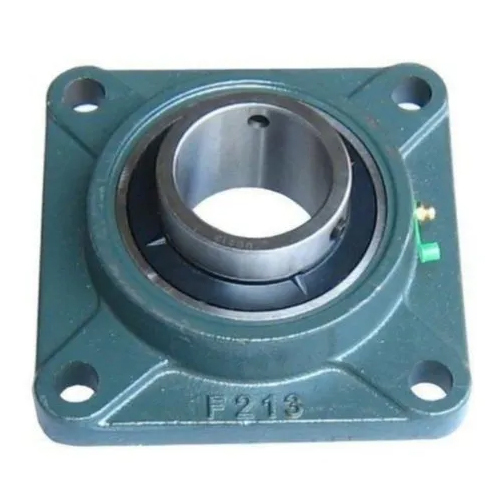
UCFC BEARING
Price 200.0 INR/ Unit
MOQ : 100 Units
UCFC BEARING Specification
- Precision Rating
- P6
- Retainer
- Metal
- Inside Diameter
- 30 mm
- Thickness
- 42 mm
- Cage Material
- Steel
- Lubrication Type
- Grease
- Bearing Type
- UCFC Bearing Unit
- Material
- Chrome steel
- Structure
- UCFC (Flange Type)
- Seals Type
- Double Sealed
- Number Of Rows
- Single Row
- Bore Size
- 30 mm
- Outside Diameter
- 90 mm
- Limiting Speed
- 5200 rpm
- Load Capacity
- High
- Housing Material
- Cast Iron
- Noise Level
- Low
- Temperature Range
- -20C to +120C
- Corrosion Resistance
- Yes
- Application
- Machinery, Conveyor Systems, Equipment
- Shape
- Round Flange
- Mounting Hole Quantity
- 4 Holes
About UCFC BEARING
- Designation: UCF stands for "Unit with Cast Housing, Four-bolt Flanged".
- Components: Consists of a spherical outer diameter insert bearing (usually UC type) and a square flanged housing.
- Mounting: Features four bolt holes for secure mounting on a machine frame or wall.
- Locking System: Typically secured to the shaft using set screws (grub screws) on the wide inner ring, allowing for easy, quick installation.
- Material: Housing is typically durable cast iron, though some variants exist, with steel bearings.
- Performance: Designed to handle moderate misalignment and high radial loads.
- Maintenance: Often designed as "maintenance-free" with lifetime lubrication, but typically equipped with a grease nipple for re-lubrication in demanding environments.
- Application: Ideal for vertical or offset shaft applications, frequently used in conveyor systems and agricultural machinery. [1, 2, 3, 4, 5]
Common Applications:
- Conveyor systems
- Agricultural machinery
- Construction and mining equipment
- Industrial fan and pump systems [1]
Technical Characteristics:
Exceptional Durability and Corrosion Resistance
Built with a cast iron housing and chrome steel inner components, this UCFC bearing is designed to withstand harsh industrial environments. Its corrosion-resistant features are ideal for applications where moisture or contaminants are present, ensuring the longevity and reliability of your machinery.
Versatile Applications Across Industries
UCFC bearings are commonly used in machinery, conveyor systems, and various equipment types. Their high load capacity and robust construction make them suitable for continuous operation in demanding industrial settings where performance and efficiency are paramount.
Quiet and Efficient Operation
This bearing unit provides low-noise performance, making it perfect for environments where minimal sound output is crucial. The unit's precision engineering and effective grease lubrication system reduce friction and wear, maximizing efficiency and minimizing maintenance requirements.
FAQ's of UCFC BEARING:
Q: How do I install the UCFC bearing with a round flange and 4 mounting holes?
A: To install this UCFC bearing, align the four mounting holes with the corresponding surface on your equipment, secure with suitable bolts, and ensure the shaft fits snugly into the 30 mm bore. Tighten all fasteners evenly to maintain proper alignment and performance.Q: What are the primary benefits of using this bearing in machinery and conveyor systems?
A: This UCFC bearing offers high load capacity, corrosion resistance, and low noise levels, making it ideal for heavy-duty machinery and conveyor systems. Its robust construction and reliable seals provide long-term durability and reduced maintenance needs in demanding industrial environments.Q: Where can this UCFC bearing unit be used effectively?
A: The bearing is well suited for use in industrial machinery, conveyor systems, material handling equipment, and any application where compact, high-capacity, and corrosion-resistant bearing units are required.Q: When should the bearing be lubricated, and what type of lubrication is recommended?
A: The bearing should be lubricated with high-quality grease periodically, depending on the load and operating environment. Regular maintenance intervals help ensure smooth operation, reduced friction, and extended service life.Q: What is the process for maintaining optimal performance of this bearing?
A: To maintain optimal performance, regularly inspect the bearing for signs of wear or contamination, ensure proper lubrication, and check that mounting bolts remain tight. Promptly replace the bearing if any excessive noise or vibration is detected during operation.Q: How does the double seal design contribute to the bearing's performance?
A: The double-sealed design prevents dust, moisture, and contaminants from entering the bearing, thereby extending its lifespan, ensuring consistent low-noise operation, and reducing the need for frequent maintenance.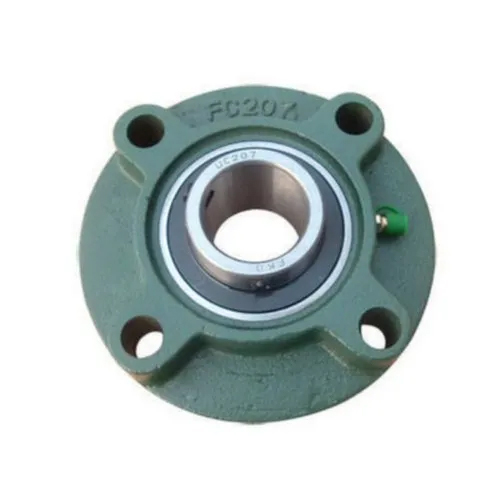
Tell us about your requirement

Price:
Quantity
Select Unit
- 50
- 100
- 200
- 250
- 500
- 1000+
Additional detail
Mobile number
Email

More Products in UC Bearing Category
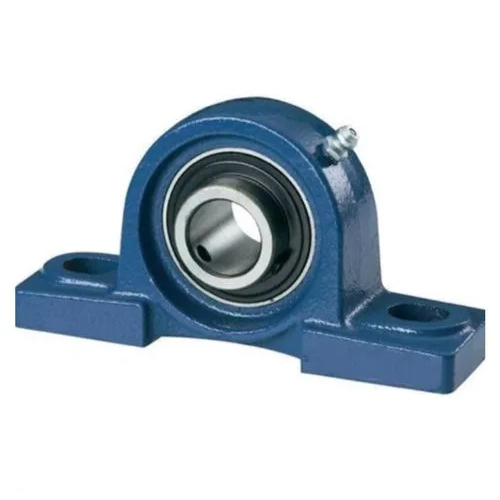
U C P BEARING
Price 1000.0 INR / Box
Minimum Order Quantity : 10 Boxes
Outside Diameter : 62 mm
Structure : Mounted Unit
Number Of Rows : Single Row
Inside Diameter : 30 mm
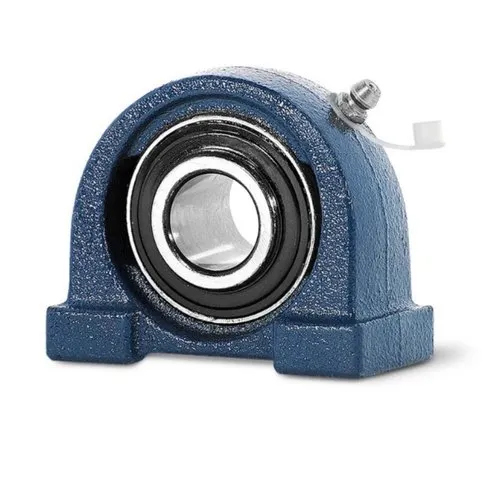
UCPA BEARING
Price 200.0 INR / Unit
Minimum Order Quantity : 100 Units
Outside Diameter : 47 mm
Structure : Pillow Block Unit
Number Of Rows : Other, Single
Inside Diameter : 20 mm
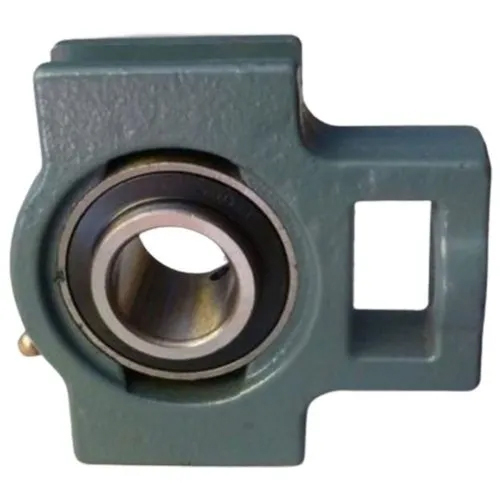
UCT BEARING
Price 200.0 INR / Unit
Minimum Order Quantity : 100 Units
Outside Diameter : 80 mm
Structure : UCT (Pillow Block Type)
Number Of Rows : Single Row
Inside Diameter : 40 mm
U C F BEARING
Price 200.0 INR / Box
Minimum Order Quantity : 10 Boxes
Outside Diameter : 52 mm
Structure : Four Bolt Flange Unit
Number Of Rows : Other, Single
Inside Diameter : 25 mm

Contact Details
V M AUTO ENTERPRISE
GST : 24ABPPB7823E1ZU
- Garediya Kuva Road, Opp. Rang Sagar, Rajkot - 360001, Gujarat, India
- Phone :08071932048
 Send Inquiry
Developed and Managed by Infocom Network Private Limited.
